

Root Canal in Mississauga
Book an Appointment →Call 905-567-6891Open 7 days, including evenings and Sundays. Private insurance, CDCP or no insurance, everyone is welcome.


A root canal in Mississauga can save a tooth when the nerve inside it becomes infected or inflamed. Your dentist removes the damaged pulp, cleans and seals the canals, and protects the tooth, usually with a crown. It stops the pain and lets you keep your natural tooth instead of having it pulled, and at River Run Dental Centre we see painful teeth the same day whenever we can.
At River Run Dental Centre, our dentists provide root canal treatment in Mississauga. Dr. Rajesh Arora, a general dentist known for careful root canal work, uses 3D imaging to plan complex cases. We’re open 7 days a week, including evenings and Sundays.
Benefits of Root Canal Treatment
A root canal has a reputation it doesn’t deserve. With modern freezing, it usually feels much like having a filling.
Relieves toothache from an infected nerve
Saves your natural tooth
Stops infection from spreading
Usually costs less than replacing the tooth
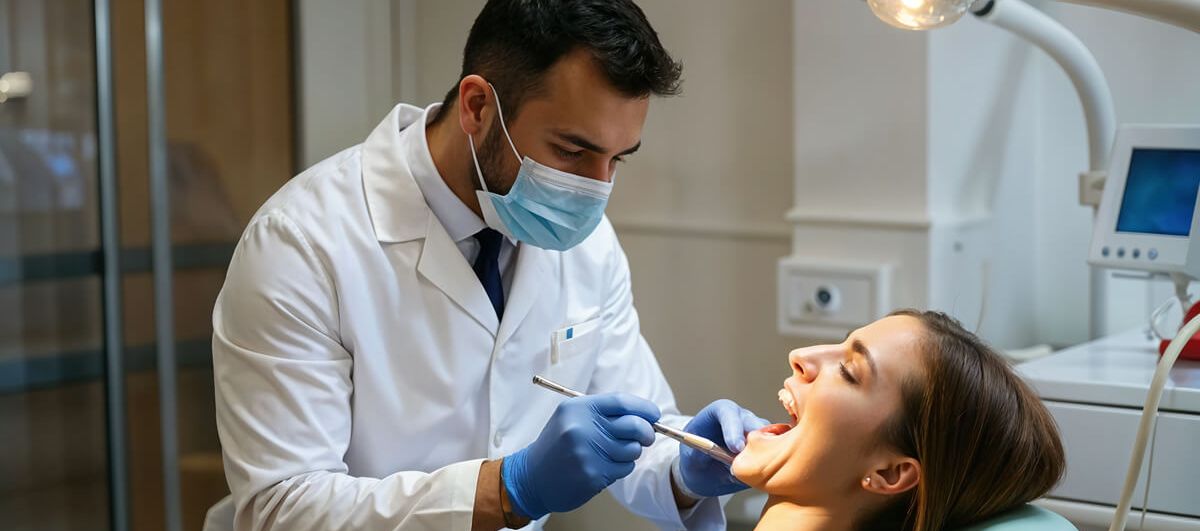
What Happens During a Root Canal
A root canal usually takes one or two visits of 60 to 90 minutes, depending on the tooth.
Diagnosis and Freezing
We confirm the problem with X-rays, then numb the tooth completely.
Cleaning the Canals
The infected pulp is removed, and the canals are cleaned, shaped and disinfected.
Sealing and Crown
The canals are filled and sealed. Most back teeth then need a crown to protect them.
Front teeth usually have one canal, while molars have three or four, so molars take longer. If an old root canal becomes infected again, root canal retreatment cleans and reseals the tooth, which can often save it a second time.
Why Choose River Run for Root Canal Treatment
Root canal treatment is detailed work. Our dentists take the time to find the cause of your pain, explain your options and keep you comfortable throughout.

Careful, Precise Work
Dr. Arora uses 3D imaging to find hidden canals and plan complex root canals.
- Same-day appointments for tooth pain
Clear Costs, CDCP Accepted
We explain the cost of the root canal and any crown before we start.
- Canadian Dental Care Plan accepted
Root Canal Cost in Mississauga
Root canal cost in Mississauga depends mainly on the tooth. A front tooth with one canal costs less than a molar with three or four. Retreatment of an old root canal costs more than a first treatment, and most back teeth also need a crown afterwards. The average cost of a root canal in Ontario varies with the same factors, so ask what’s included when you compare root canal fees.
With insurance: most workplace plans cover root canals under basic or major services. We’ll check your plan and explain your share.
Without insurance: you’ll get the full root canal treatment price, including the crown, before we start. If you’re looking for a cheap or affordable root canal, keep in mind that saving a tooth usually costs less than an extraction plus an implant.
The Canadian Dental Care Plan (CDCP) covers root canal treatment and retreatment for eligible patients. Retreatment usually needs pre-authorization.
Insurance Accepted
We Direct Bill Your Dental Insurance
Pay only your share at your visit. We accept most private dental plans, the Canadian Dental Care Plan and several government programs, and we offer payment plans if you don't have insurance.
- Sun Life
- Manulife
- Canada Life
- Green Shield
- Blue Cross
- Desjardins
- Beneva
- Industrial Alliance
- Empire Life
- Equitable Life
- Johnson / belairdirect
- Cowan
- ClaimSecure
- Express Scripts Canada
- TELUS Health
- CDCP
- Healthy Smiles Ontario
- ODSP
- NIHB
Related reading: Root canal treatment: signs, steps and recovery and Cavity in a tooth: early signs and stages.
Signs You May Need a Root Canal
You can’t always tell from pain alone, but these are common signs that a tooth’s nerve is in trouble:
- Severe toothache when you chew or bite
- Sensitivity to hot or cold that lingers after the drink is gone
- A tooth that has turned grey or darker
- Swollen or tender gums near one tooth, or a pimple on the gum
- A cracked or chipped tooth, or a deep cavity
Sometimes an infected tooth causes no pain at all and only shows up on X-rays, which is one reason regular checkups matter. If you notice any of these signs, book an exam. The sooner we treat it, the better the chance of saving the tooth.
Root Canal Treatment for Adults and Children
Root canals aren’t only for adults.
- Children: a baby tooth with a deep cavity may need a pulpotomy, a smaller treatment that saves the tooth until it falls out naturally.
- Teens and adults: root canals save adult teeth damaged by decay, cracks or injury.
- Seniors: older teeth with large fillings or crowns can still be saved, and retreatment can rescue an earlier root canal.
Wondering where to get a root canal in Mississauga? Most are done right here by our general dentists. If a tooth has very curved or blocked canals, we may refer you to an endodontist, a dental specialist in root canals, and coordinate your care.
Recovery After Treatment
Most people go back to work or school the same day. Your lip and cheek stay numb for a few hours, so wait until the freezing wears off before you eat.
- Mild tenderness for a few days is normal, especially when you bite. An over-the-counter pain reliever usually helps.
- Avoid chewing hard food on that side until the permanent filling or crown is in, because the tooth can be more fragile.
- Book your crown promptly if we’ve recommended one. A back tooth left without a protective crown is more likely to crack.
- Call us if you notice swelling, pain that gets worse after a few days, or a reaction to medicine. For urgent dental problems, we’ll see you the same day whenever we can.
Book Your Root Canal Treatment in Mississauga
Tooth pain? Call us and we'll see you the same day whenever we can. We'll find the cause and explain your options and costs before any treatment. Find us at 11-1525 Bristol Rd W, near Creditview Rd.
Root Canal Treatment in Mississauga: Frequently Asked Questions
It depends on the tooth. Front teeth with one canal cost less than molars with three or four, and most back teeth also need a crown. We give you the full cost before we start, and most insurance plans and CDCP cover root canals.
The tooth is fully numbed, so the treatment usually feels like getting a filling. The tooth may be tender for a few days afterwards, which over-the-counter pain relievers manage. Most people feel much better than before, because the infected nerve is gone.
Usually one or two visits of 60 to 90 minutes. Front teeth are quicker. Molars and retreatments take longer because there are more canals to clean.
Back teeth usually do, because they take the most chewing force and can crack once the nerve is removed. Front teeth often only need a filling. Your dentist will tell you what your tooth needs.
Saving your natural tooth is usually better for your bite and often costs less in the long run than an extraction plus an implant or bridge. If a tooth can't be saved, we'll explain your replacement options.
If a tooth that had a root canal becomes painful or infected again, retreatment removes the old filling material, cleans the canals again and reseals them. It can often save the tooth a second time.
Most workplace plans cover root canals, usually under basic or major services. The Canadian Dental Care Plan covers root canal treatment for eligible patients, and retreatment usually needs pre-authorization. We'll check your coverage for you.
Trusted Sources on Root Canal Treatment
Want to read more? These health organizations explain root canal treatment in plain language:
- Canadian Dental AssociationGuide to root canal treatmentcda-adc.ca ↗
- Ontario Dental AssociationGuide to common dental proceduresoda.ca ↗
- MedlinePlusExplanation of root canal treatmentmedlineplus.gov ↗
- American Dental AssociationOverview of root canalsmouthhealthy.org ↗
- Government of CanadaCanadian Dental Care Plancanada.ca ↗
Related Services
A root canal is often one step in restoring a tooth. These services may also help:
- Dental crowns to protect a tooth after a root canal
- Dental fillings to treat cavities before they reach the nerve
- Emergency dental care for sudden, severe tooth pain
- Tooth extraction when a tooth can’t be saved